
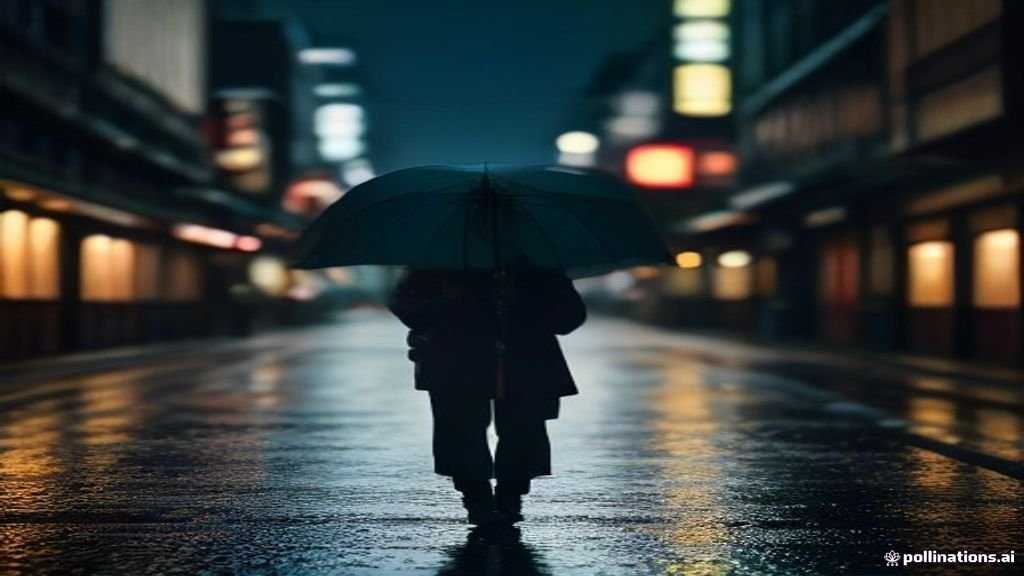
If you have watched more than two or three Korean dramas, you have already met them: the wrist grab, the piggyback ride, the sudden downpour that leaves two characters sharing a single umbrella. K-drama tropes are the genre’s shared vocabulary — recognisable beats that writers reach for again and again, not out of laziness, but because audiences have learned to read them instantly. A single gesture can carry the emotional weight another show would need a full scene of dialogue to build.
For newcomers, though, these conventions can feel baffling. Why does everyone drink so much soju after a break-up? Why is a piggyback ride romantic? This guide walks through the most common K-drama tropes, explains what they actually signal, and shows you how to tell the difference between a show that leans on them and a show that plays with them.
Why K-Drama Tropes Exist in the First Place
Korean dramas usually run as a fixed, self-contained season — often somewhere between twelve and twenty episodes — with a beginning, middle and end planned from the start. That structure rewards efficiency. A writer has limited screen time to make you care about a relationship, so shorthand becomes valuable. A trope is essentially a compressed emotional cue: the audience already knows what it means, so the story can move faster.
Romance Tropes You Will See Everywhere
1. Enemies to lovers
Two characters clash immediately — professional rivals, feuding neighbours, a demanding boss and a stubborn employee. Their hostility powers the first act, and the slow thaw is the payoff. K-dramas are particularly good at this because the fixed episode count forces a real arc instead of an endless will-they-won’t-they.
2. The contract relationship
A fake engagement, a pretend marriage, a hired partner for a family dinner. The characters agree to perform a relationship for practical reasons and then, inevitably, stop performing. The pleasure here is dramatic irony: the audience sees the feelings arrive long before the characters will admit them.
3. Second-lead syndrome
This one is famous enough to have its own fandom name. The second male or female lead is kind, patient and devoted — and almost never wins. Viewers get attached anyway, then spend the finale in mourning. Good writers know this and use the second lead to explore what the protagonist actually needs rather than simply wants.
4. The wrist grab
A character turns to leave; the other grabs their wrist to stop them. Older dramas played this straight as passion. Contemporary shows increasingly frame it as controlling, and some subvert it outright. It is a useful barometer for how modern a drama’s romantic sensibility really is.
5. The piggyback ride
Usually it follows a twisted ankle or one drink too many. The appeal is not the ride itself but what it signals: physical trust, care offered without expectation, and a moment of closeness both characters can later pretend meant nothing.
6. Rain, umbrellas and convenient weather
Rain in a K-drama is almost never just rain. It isolates two people in a shared space, forces proximity, and gives the scene visual texture. Watch who holds the umbrella and who ends up wet — it is usually a deliberate character note.
Family and Social Tropes
7. The disapproving parent
Frequently a wealthy mother who arrives with an envelope and a request that the unsuitable partner disappear. Beneath the melodrama sits a genuine theme: the tension between individual desire and family obligation, which runs through an enormous amount of Korean storytelling.
8. Chaebol heirs and class divides
The wealthy heir who falls for someone outside their world is a staple, and it does real narrative work. Class difference creates obstacles that feel structural rather than arbitrary, and it lets writers comment on inequality while still delivering a romance.
9. Birth secrets and hidden connections
Adoption revelations, mistaken identities, two characters who turn out to have met as children. Used badly, this is pure soap. Used well, it turns coincidence into a statement about fate — a concept Korean dramas take seriously.
10. The found family
Colleagues, neighbours or housemates who become more dependable than anyone’s actual relatives. Some of the warmest and most acclaimed K-dramas of recent years are built almost entirely on this trope rather than on romance.
Everyday Tropes That Confuse New Viewers
- Drinking soju to process emotion. Shared drinking is a social ritual, and a drunken confession is one of the few contexts where characters can say the unsayable and still retreat the next morning.
- Instant ramyeon as an invitation. Offering to cook noodles late at night is loaded shorthand, and most shows simply expect you to know it.
- Hospital scenes and sudden collapse. Fainting signals that a character has been carrying too much for too long — emotional exhaustion made visible.
- Amnesia. Far less common than it once was, but still around. Modern dramas tend to use memory loss thematically rather than as a plot reset button.
- The back hug. Comfort offered without requiring eye contact, usually at the moment when words would be too much.
- Enthusiastic branded meals. Product placement is how many productions get funded. Once you start noticing it, it becomes oddly charming.
Genre-Specific Tropes
Historical dramas (sageuk)
Palace politics, loyal bodyguards, disguised royalty walking among commoners, and a scholar who is quietly the smartest person in the room. Sageuk tropes tend to revolve around duty versus desire, and the cost of choosing either one.
Thrillers and crime dramas
The prosecutor or detective with a personal stake, the corrupt official shielded by institutions, the whistleblower who pays for speaking. These shows frequently use genre conventions to make an argument about accountability.
How to Tell a Lazy Trope From a Good One
Tropes are not the problem — execution is. A few questions worth asking while you watch:
- Does the trope change anything? A contract marriage that alters how both characters see themselves is doing work. One that merely delays the confession is filler.
- Is the show aware of it? Many recent dramas nod at the conventions directly, letting a character point out how absurd the situation is. That awareness usually signals a confident script.
- Does it respect the characters? The best modern writers replace the wrist grab with consent, and the cartoonish disapproving parent with a genuinely complicated one.
- Does the ending earn it? Because K-dramas actually conclude, they can be judged as complete stories. A trope that pays off in the finale was a plan; one that quietly evaporates was a shortcut.
A Simple Way to Start Watching
If you are new to the genre, pick shows that use tropes in different registers: a romantic comedy that embraces every convention with a wink, then a thriller that subverts them, then a slice-of-life drama that quietly refuses most of them. You will absorb the genre’s grammar far faster this way than by working through a ranked list from top to bottom. It also helps to notice which tropes you personally enjoy — once you know that, browsing a streaming catalogue becomes far less overwhelming.
The Takeaway
K-drama tropes are not a weakness of the format — they are a large part of why a sixteen-episode story can land as hard as it does. They compress emotion, carry cultural context, and give writers a shared foundation to build on or push against. Learning to read them turns passive watching into something closer to a conversation with the show.
The next time a character reaches for an umbrella or crouches down for a piggyback ride, you will know exactly what the scene is telling you — and you will be able to judge whether the drama is following the rulebook or rewriting it.
Want more guides like this one? Keep exploring Drama Online for reviews, streaming guides and curated lists covering Korean, Chinese and Japanese dramas. There is always another show worth adding to your list.